Reimagining Adoption at the 2025 Selfless Love National Think Tank
Reimagining Adoption at the 2025 Selfless Love National Think Tank
Published on:
Sep 30, 2025
Category
Adoption
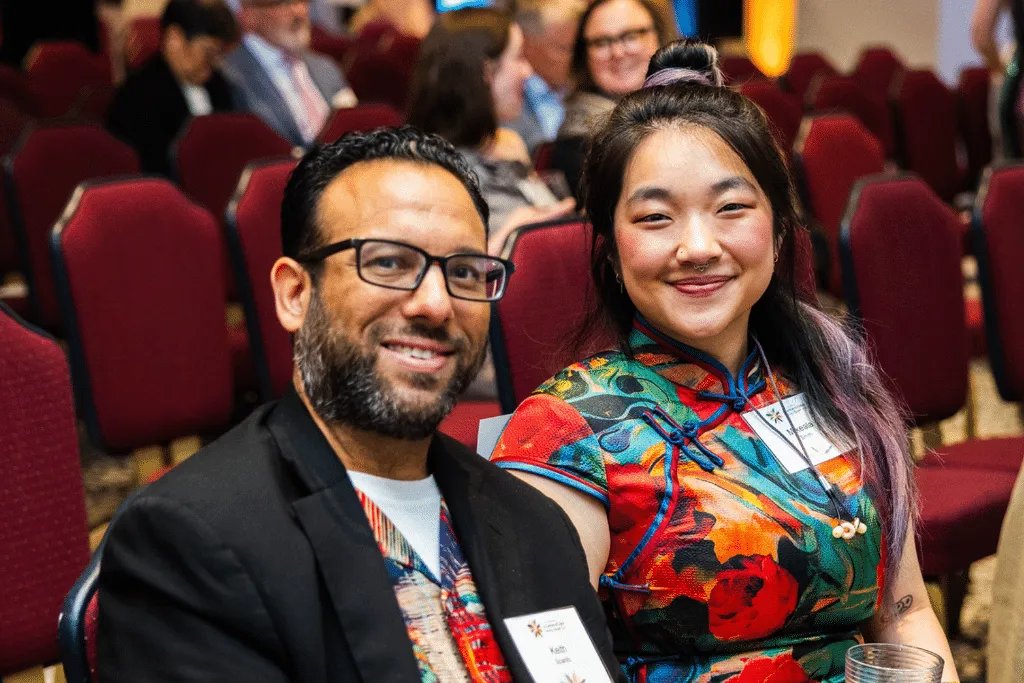
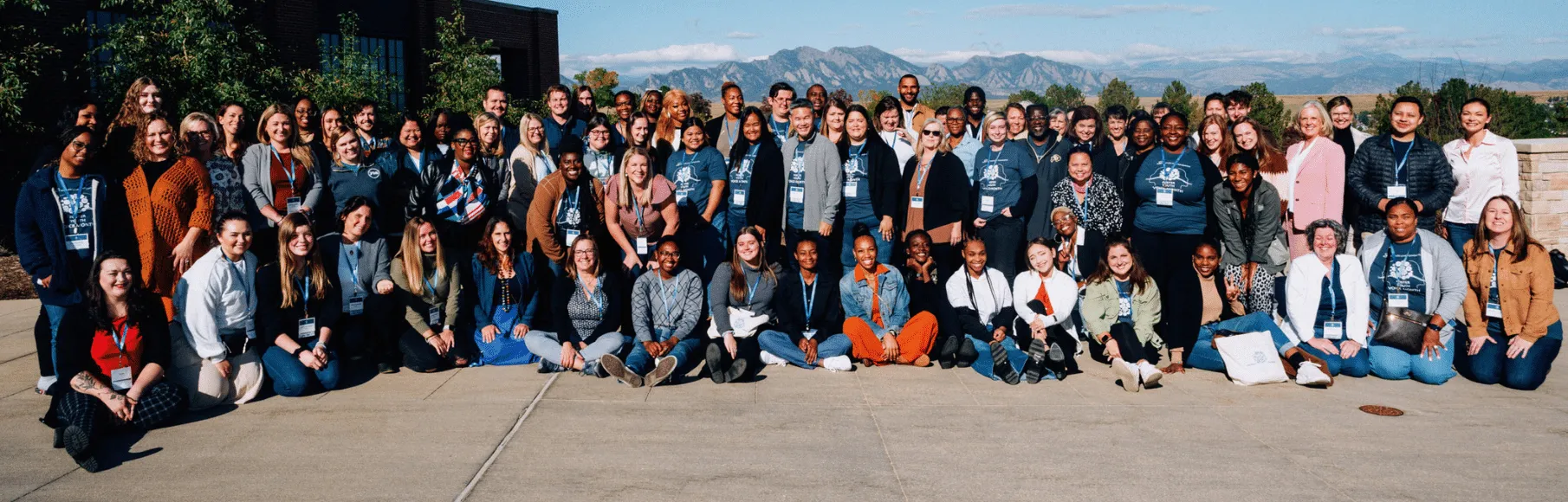
This October, I have the honor of serving as a facilitator at Selfless Love Foundation’s National Think Tank, a convening that brings together young people with lived experience, policymakers, researchers, and child welfare leaders. What excites me most about this event is that it doesn’t just talk about adoption policy in theory; it centers on the voices of youth who have lived it and ensures those voices shape the future of practice and policy.
To share more about the vision for this year’s event, I spoke with James “JR” Minter, Advocacy Director at Selfless Love Foundation (SLF). His insights, along with the Foundation’s reflection on their 10-year milestone, speak to why this gathering is both urgent and hopeful.
Centering Lived Experience in Policy
When I asked JR about his role, his passion for youth voice was clear: “As the Advocacy Director with SLF my primary focus is working alongside young adults in bringing about change they want to see in the foster care system. The issues and solutions that are presented are from young adults, and the solutions are ones I get to assist in developing with them.”
That approach is shaping the Think Tank itself. Young people and system professionals have been calling for a deeper discussion about adoption practices, especially around recruitment and photo listings. This year’s convening provides that space, one where everyone can co-create solutions and build a collective message to inform future change.
Why This Moment Matters
The inspiration for this year’s Think Tank comes directly from young adults. Back in 2022, youth in Florida raised concerns, suggesting that adoption practices needed to look different. They wanted clarity on their rights in the recruitment process, especially when it came to photo listings. Across Florida during that time, practices were inconsistent, and young people’s rights were not clearly understood or defined.
Their advocacy led to the passing of a 2024 Florida law that now ensures youth have a say in what is shared about them, how it is shared, and that it happens in a safe virtual environment. This was not just a Florida issue, though. Friends and partners in more than 30 states voiced similar concerns and were eager to join a conversation that centers lived experience in every aspect.
As JR explained, photo listings as we know them date back to the 1990s, long before anyone anticipated how the internet would transform the sharing of children’s information. Without safeguards, privacy risks grew while youth were left out of shaping their own narratives. The Think Tank creates a national space to modernize these practices, protect young people, and ensure that they fully understand their rights.
Building on Momentum
The first National Think Tank in 2023 focused on permanency and permanent connections. It was a powerful event, but as JR reflected, one lesson stood out: The recommendations were too big to digest. “We had 10 recommendations from the group that were all almost Thanksgiving-sized meals,” he explained.
This year, the planning committee has been intentional about making the outcomes more actionable and practical. The goal is not only to generate best practice recommendations but also to ensure they are clear and usable.
Equally important, the Think Tank is about education. Bringing together youth with lived experience, system professionals, advocates, and policymakers in one space allows for a shared vision of what the future of adoption should look like. As JR put it, there is immense value in “being able to just educate elected officials and organizations about what young adults with lived experience and people doing the work believe this should look like.”
To ensure credibility, the findings will be published by Chapin Hall, a respected, independent research center. This is key, JR emphasized, because it ensures the report reflects not one group’s perspective but a collective message. The ultimate goal is to make the report widely available so that “anyone who is willing to listen or read the report” can use it to inform thoughtful conversations about the future of adoption policy and practice.
The Power of Collaboration
One of the most unique aspects of the Think Tank is its intentional mix of voices. As JR noted, “If you only have one group, organization, or individuals with a specific type of personal experience you only get one side of the story.”
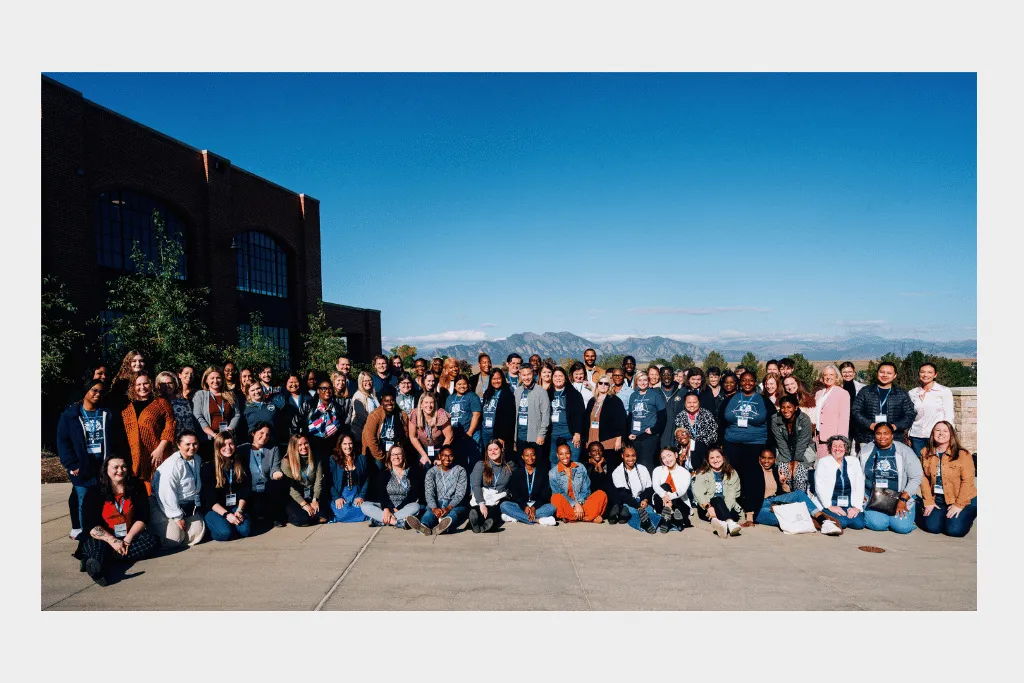
This convening brings together young adults who have lived it, professionals who work in it every day, policy experts, advocates, and organizational leaders — all having the same conversation in the same room. Opportunities for this kind of cross-sector dialogue are rare, but they are also the most powerful.
SLF believes that these discussions grounded in lived experience and informed by professional expertise are the ones that truly lead to change. As JR emphasized, “Those closest to the issue or problem are closest to the solution.”
Youth Voice at the Center
Youth engagement isn’t just a box to check for SLF — it’s the driving force. This year’s topic was chosen by youth and organizations across the country, and a planning committee of young adults, advocates, and professionals shaped the agenda. Sessions will follow a community café model, with each room co-facilitated by someone with lived experience alongside a professional in the field. To remove barriers, young adults are provided scholarships and preparation sessions, so they feel confident stepping into these conversations.
As someone who once sat in those same spaces as a young person using my voice, I know how transformational it can be. Speaking from lived experience doesn’t just inform policy; it shifts perspectives, opens doors to change, and builds leaders. Being trusted to guide solutions rather than just share stories gave me confidence and showed me the impact my voice could have. That is the same opportunity this Think Tank is creating: not just inviting youth into the room, but ensuring they are positioned as leaders whose insight drives meaningful impact.
Celebrating 10 Years of Transformation
This year’s Think Tank also coincides with SLF’s 10-year milestone. While many organizations provide adoption services and supportive housing, what makes SLF unique is its Advocacy Team — the A-Team, a group of young people with lived experience in foster care. Their expertise is not only valued but seen as essential.
As the Foundation explains: “We ensure that the issues they want addressed are the issues that are pursued. The National Think Tank builds on this core belief. Lived experts are at the center of every discussion. Their opinions count, we are giving them a say.” That philosophy has already led to concrete change. It was the A-Team’s advocacy that drove the passage of Florida’s 2024 law protecting children’s images and privacy in adoption recruitment. This legislation not only gave youth a voice in how they are portrayed but also transformed recruitment practices across the entire state. That is what it looks like to transform a system and this year’s Think Tank is the next step forward.
Looking Ahead
When I asked JR about his hopes for the future, he was direct: “The ultimate goal, when adoption is necessary and does occur, we need to set everyone up for success. No young person should ever re-enter the system and relationships should not dissolve when a young person turns 18.”
He also challenged us to think critically about consistency across states. Every state but Louisiana already establishes a minor’s age of consent for adoption. If we agree young people must consent to being adopted, why aren’t we ensuring they understand all of their rights and options leading up to that moment?
Finally, he emphasized the need for honesty; having frank conversations about what isn’t working is just as important as celebrating what is. The Think Tank creates that space.
Building the Future of Adoption
As I prepare to step into my role as a facilitator, I carry with me both my policy perspective and my lived experience. I know firsthand the power of youth voice and how being invited into these conversations, and more importantly being trusted to shape the solutions, can change not only systems but lives. That is what makes this Think Tank so significant. It’s not about abstract policy on paper; it’s about building a child welfare system that listens to young people, protects families, and sustains permanency for the long term.
At C.A.S.E., we share this commitment. Our work to promote adoption-competent mental health and permanency support is grounded in the same belief that youth and families must be at the center of change. We are proud to spotlight the SLF’s National Think Tank and to stand alongside partners across the country who are reimagining adoption with lived experience as the guide.