My Primal Wound: How Adoption Trauma Has Shown Up for Me
My Primal Wound: How Adoption Trauma Has Shown Up for Me
Published on:
Jan 07, 2026
Category
Trauma
Adoption Trauma: The Primal Wound
In her book on understanding adopted children, Nancy Verrier describes adoption as a “primal wound.” This is the core idea that separation from the birth mother creates a fundamental internal “wound.” The sense of loss and grief is said to affect the adoptee throughout life.
But how? What does that look like?!?
When I hear the word “trauma,” I automatically associate it with something awful. Brain trauma, violent crime, something causing permanent, ever-lasting damage. Adoption trauma, while not something we can visibly see, carries its own weight of forever effects. A quick google search defines adoption trauma as “the profound emotional and psychological distress resulting from the inherent separation and loss experienced by an adoptee from their birth family, even in ideal situations.” It goes on to say that adoption trauma can lead to issues like attachment problems, identity confusion, anxiety, depression, and difficulties formulating relationships.
MY primal wound aches with all of those issues listed.
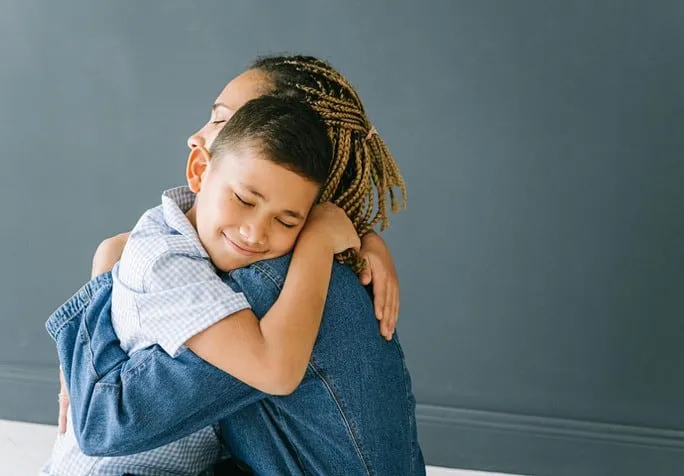
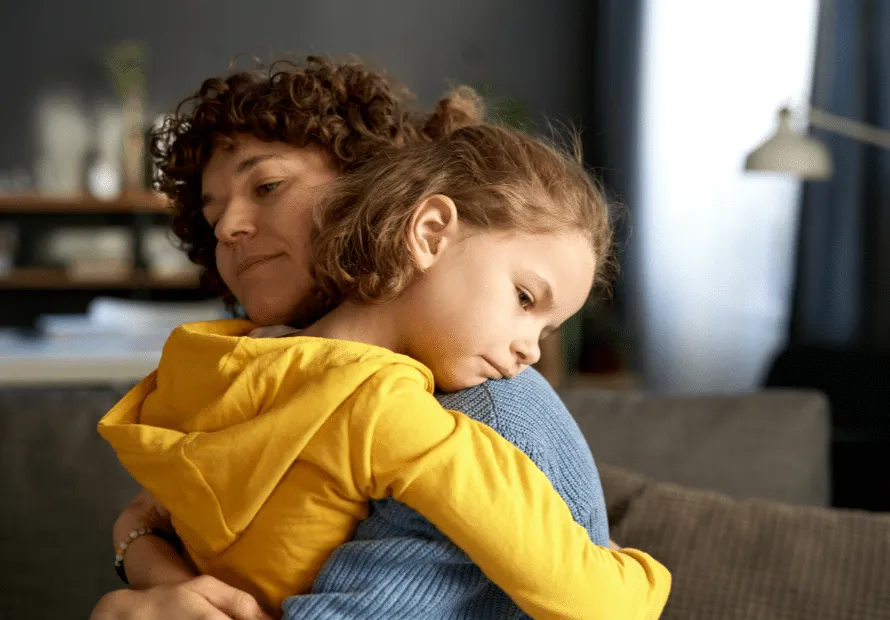
As a young girl growing up, my adoption trauma showed its anxious face each time my mother dropped me off at school. It felt impossible to separate from her. I’d wrap around her leg like a tiny sloth, sobbing, often so hard that I would gag and eventually vomit. I quickly noticed you couldn’t stay at school when you threw up because the school couldn’t differentiate between one being sick with nerves vs one being sick with germs. Cry, puke, go home, repeat. This became my daily routine.
I outgrew my morning meltdowns in elementary school, but middle school brought new challenges. New people had new questions, like why didn’t I speak Spanish? Was that my “real” mom? And they had new insults, like calling me “goyim”, meaning I wasn’t a real Jew. I remember arguing to defend my Jewish identity, reciting portions of my Torah readings from my Bat Mitzvah. I remember that I had no defense for my Chilean identity. I knew nothing about my birth country or birth family, nothing about Chilean cuisine and traditions. The tallies in my “difference” column were adding up during a time where I desperately wanted to be the same.
I started stealing alcohol from my parent’s liquor cabinet when I was in the 7th grade. The following year I was smoking weed in the woods behind my middle school. I entered high school at age 14 and soared through the hallways high as a kite. I was trading my prescription Adderall pills for pain killers and then washing them down with 40 ozs of St. Ides malt liquor. I was sneaking out of my suburban home to attend mid-week raves an hour away, in downtown Washington, DC. I’d eat ecstasy and dance until I was so dehydrated that I couldn’t even stand. In high school, I lived to make memories I could barely remember while running from a life I wanted to forget. Nobody in my friend group cared about my attachment issues, my identity confusion, or my inability to form solid connections. All they cared about was nourishing their addictions, and so did I. Finally, I found a place where I wasn’t different, I fit right in.
Growing up I didn’t understand the complexities of adoption. Not only did I not have access to adoption competent mental health care but nobody in my family had any understanding of “adoption competency” as a concept. Being aware that I grew up in the 80’s, a time when there was very little known about the effects of adoption, I recognize resources in general were limited, but my family still has little understanding of adoption competency to this very day (42 years after I was adopted and the traumas still keep seeping through various cracks in my life).
I often wonder if perhaps I’m not talking about adoption enough. Do people think this has all healed?!? That it just went away? I quickly realize that as I age, my primal wound becomes less apparent. It’s bandaged up, well contained and it doesn’t “bleed” as much. I’ve learned to take good care of it over the years, but that doesn’t mean my adoption trauma has dissipated. It may no longer show up as tears as I hang onto my mother and it definitely doesn’t show up in drunken nights at the bar, but it’s still there.
For me, adoption trauma now shows up in quieter moments that people can’t correlate to an “outburst.” I now navigate a known personal need for extra reassurance in relationships. It took a ruined relationship to understand why it hurt so bad when my husband would threaten to “leave” our marriage. My tears at the births of my four children weren’t all happy. Some were tears of intense confusion. I sat alone in my sadness with my newborns as I held their itsy-bitsy hands and thought about how my biological mother said goodbye to that fresh finger “grip” before I was 24 hours old.
If this adventure of adoption has taught me one thing, it’s that this primal wound doesn’t seem to go away. It changes, requiring new attention, new care and new “cleaning up” as life passes by, but it never really lets you forget it’s there. Our experiences often erupt what we thought was dormant and the nursing of this primal wound begins again.
The journey continues…