Listening Beyond Permanency: Reflections from Alishia Agee-Cooper, LICSW
Listening Beyond Permanency: Reflections from Alishia Agee-Cooper, LICSW
Published on:
Mar 03, 2026
Category
Policy & Advocacy
This month’s Policy & Advocacy blog takes a step away from legislation and guidance documents and instead makes space for a practitioner voice, one grounded in frontline work and systems thinking.
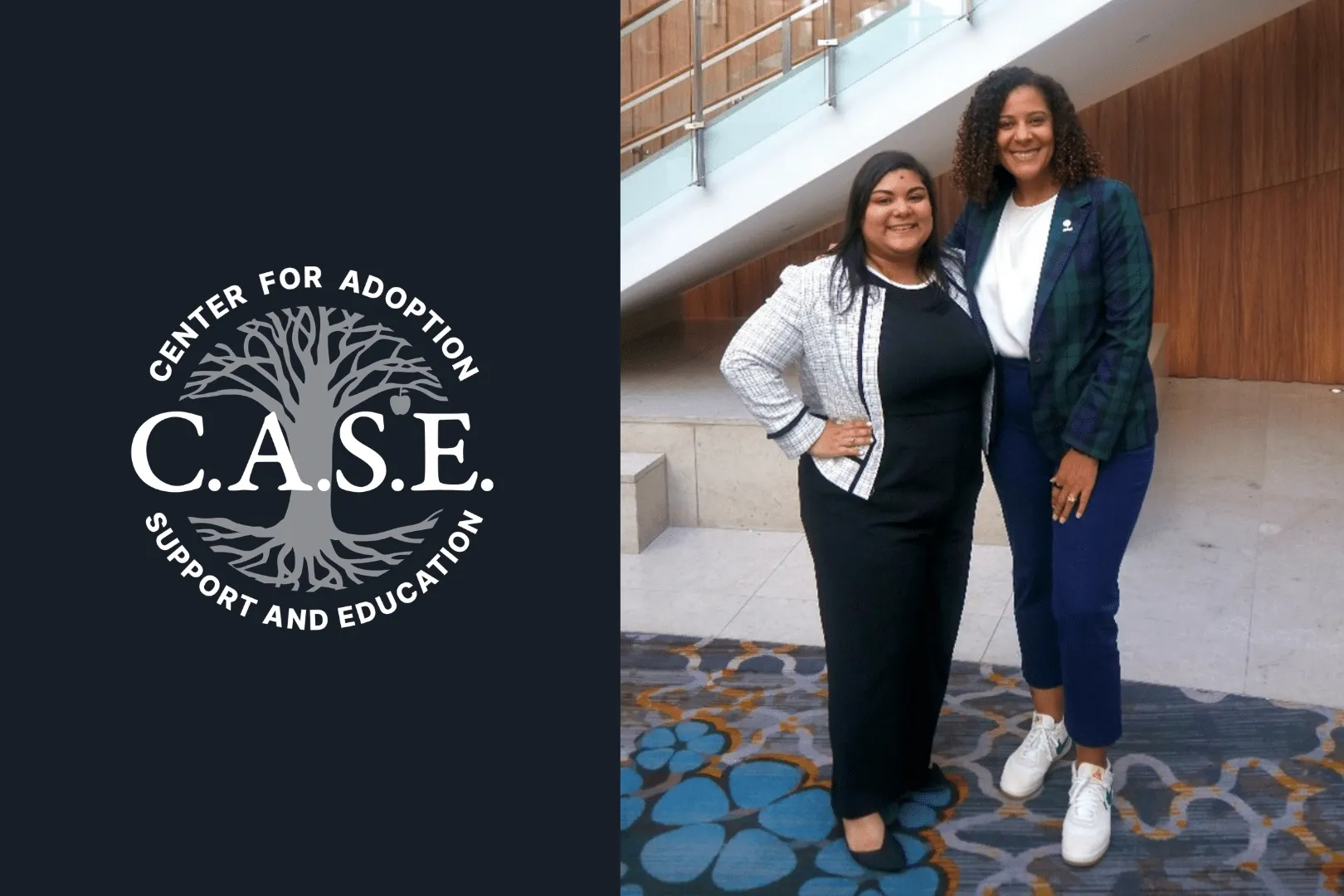
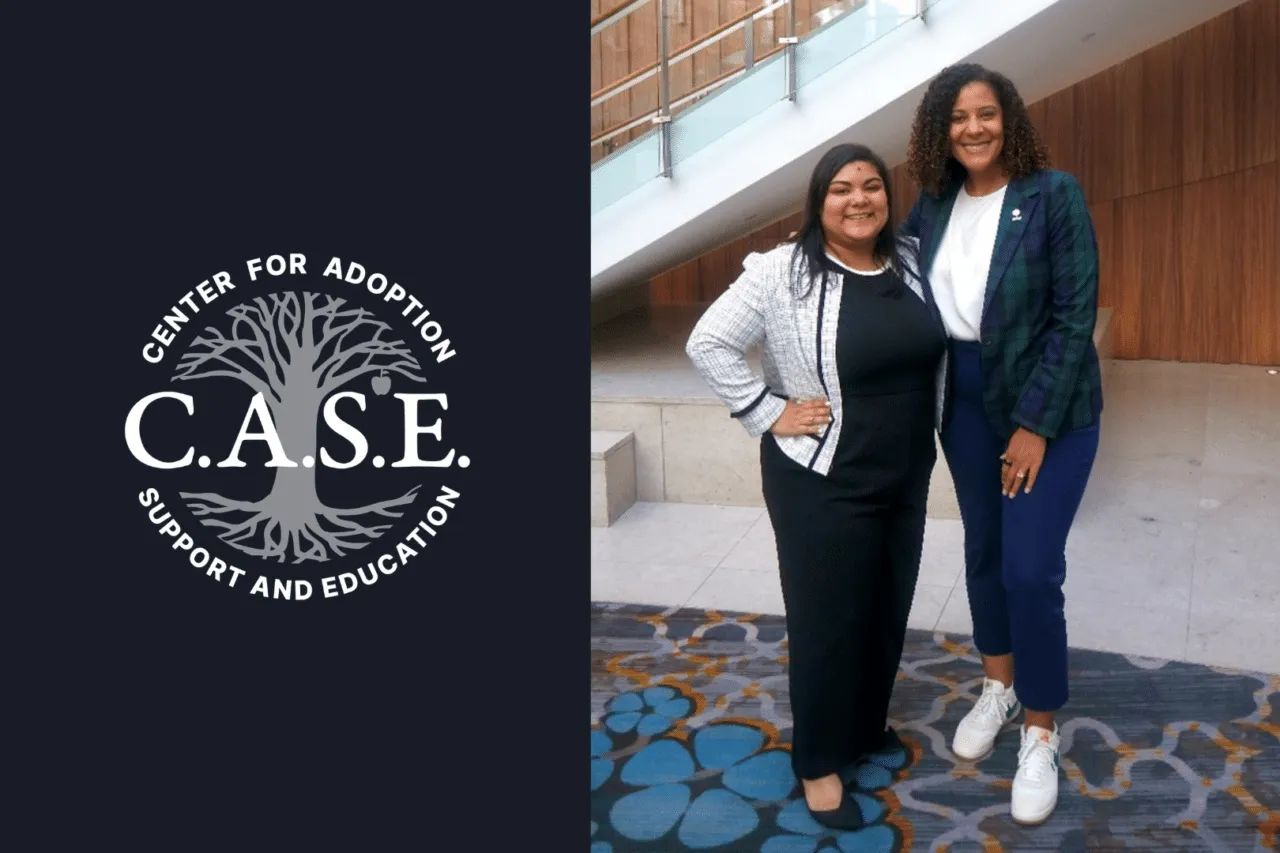
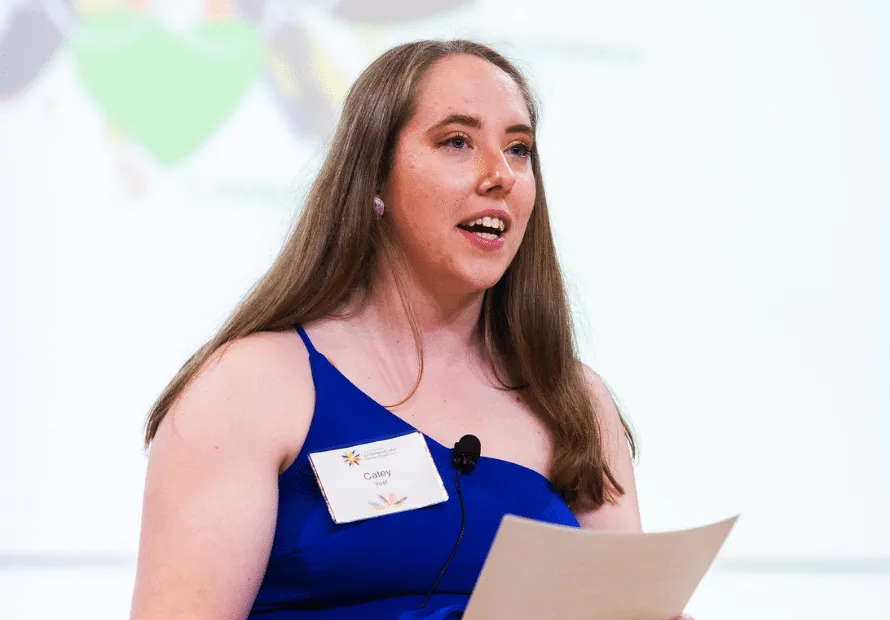
I recently spoke with Alishia Agee-Cooper, LICSW with the WA Department of Children, Youth, and Families, whose work sits at the intersection of practice, policy, and equity. Alishia and I previously worked together on a policy mockup during our time in the AdoptUSKids Professional Leadership Development (APLD) fellowship, and I’ve continued to value her ability to translate lived realities into systems-level insight.
When I asked Alishia what well-being looks like for children and families after permanency is achieved, she did not point to a checklist or outcome measure. Instead, she described belonging.
Well-being, in her view, means that children, regardless of race, gender, or permanency pathway, know they belong. It means they have someone to turn to with questions about themselves, and someone who will show up for both ordinary moments and milestones. Drawing from her, Alishia emphasized that youth consistently say they want to feel heard and to have a role in decisions about their own lives.
That emphasis on voice shows up across Alishia’s thinking about systems and policy. From her frontline experience, she has seen how early interactions, often the very first point of contact, can shape a family’s trajectory. Approaching child welfare with a prevention mindset and an expectation of permanency from day one creates space for families to access meaningful supports earlier, rather than when challenges escalate.
Policy, she noted, plays a powerful role in either enabling or constraining that work. While policy guides practice, it is often developed far from community-facing realities. For Alishia, meaningful systems change requires intentionally engaging those who have experienced the system firsthand; youth, parents, caregivers, caseworkers, and resource families.
This approach is especially critical given persistent disparities in child welfare outcomes. Alishia was clear that data points are not abstract; they represent real children, youth, and families, particularly Black and American Indian/Alaska Native communities who continue to experience disproportionate harm.
When thinking beyond direct services, Alishia described long-term supports as deeply community rooted. She shared a vision of “the house,” a trusted place in every neighborhood where families can go for a meal, a jacket, or support when life becomes overwhelming. A place that offers prevention and connection before crises occur.
When those spaces do not exist, she emphasized the need for concrete goods, peer support groups, culturally responsive providers, providers who reflect the identities of children and families, and warm lines that allow families to reach out when new needs emerge, sometimes years after permanency.
Gaps in post-permanency support are particularly visible for adoptive families. Alishia’s research highlighted how many youth felt their families were unprepared to talk about race, culture, and identity. Without support in navigating difficult conversations about lived experience, young people are often left to process these realities on their own.
For Alishia, this is why social workers must be included in system-level conversations, not only as service providers, but as problem-solvers. While direct service work impacts individual families, systems change allows those solutions to reach many more people.
She closed with a reminder that elevating lived experience is not optional—it is essential. When systems are designed to address the needs of those who experience the most harm, they become stronger, more responsive, and more just for everyone.
At C.A.S.E, we know that permanency alone does not guarantee well-being. Our work across policy, research, training, and direct services is rooted in the belief that families need ongoing, adoption-competent, and culturally responsive supports long after permanency is achieved. Alishia’s reflections reinforce what we hear consistently from families and practitioners alike: systems work best when prevention, voice, and lived experience are centered from the very beginning.
As C.A.S.E continues to advocate for policies and practices that strengthen long-term family stability, practitioner perspectives like Alishia’s help ground systems-level conversations in real-world impact. Elevating these voices is essential to ensuring that well-being is not an abstract goal, but a lived reality for children, youth, and families.
I’m deeply grateful to Alishia for taking the time to share her insight, experience, and leadership. Her commitment to prevention and systems change reflects the values that guide this work and the kind of collaborative, cross-sector thinking needed to move child welfare forward.