Helping Your Child Cope with Feelings of Abandonment
Helping Your Child Cope with Feelings of Abandonment
Published on:
Mar 01, 2026
Category
Adoption
How Adoption-Competent Therapy Helps Children Overcome Early Trauma
Having the right therapeutic support can make a tremendous difference for both children and parents navigating the lifelong journey of adoption, foster, or kinship care. It is important to find an adoption-competent therapist to assist in the process of healing attachment wounds and developing healthy coping strategies. At C.A.S.E., our therapists are trained in adoption competency and offer individual and family therapy services, as well as parent support groups. We even provide a national list of adoption-competent therapists who practice throughout the country.
Understanding Early Loss in Adoption and Foster Care
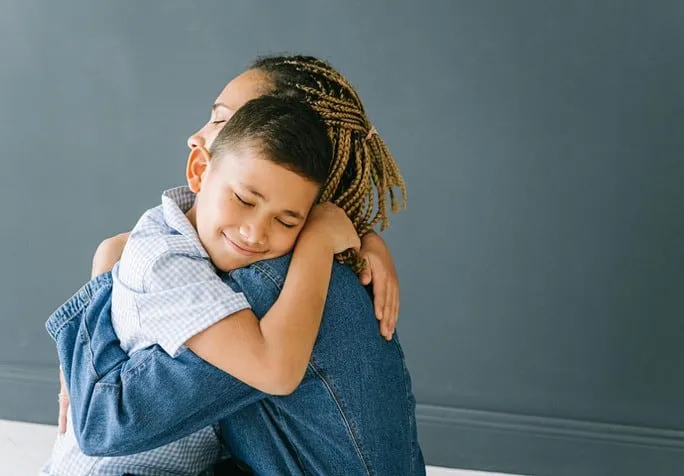
Children who were adopted or are in foster care experienced a profound physical and emotional loss when their early circumstances led to alternative placement. These children frequently face feelings of abandonment and rejection because of this early separation from their birth/first parents. This early disruption not only impacts the child’s feelings of self-worth, stability, and ability to trust, but can create feelings of rejection and self-doubt in adoptive and foster parents as they respond to their child’s behaviors and struggles to cope with intense emotions.
Children are inherently self-focused and see the world from their perspective only, so inevitably they will assume that their relinquishment or removal is their fault. From a child’s viewpoint, if they were abandoned once, it could happen again. Abandonment issues can show up in different ways, but all have in common the fear of being left, hurt, or rejected again. These include emotional dysregulation, separation anxiety, social withdrawal, provoking and rejecting parents as a way of “testing” their loyalty, or being overly compliant to the point that they ignore their own needs. It is important for parents to remember that small losses and rejections can trigger big emotions and abandonment fears, which can show up in all areas of life. For example, a playdate being cancelled, a favorite teacher’s absence, or an unexpected change in routine can set off intense emotional reactions that seem disproportionate to the event itself.
The Power of Consistency and Predictable Parenting
The role of adoptive and foster parents is to help their kids heal from early loss and trauma and learn that relationships can be safe and dependable. Trying to imagine and understand your child’s experiences is critical for maintaining empathy and building connection. Sharing information about the child’s history in an age-appropriate way not only conveys respect but also builds trust. Even when there is little or no information available about their story, learning about what may have occurred using social and historical context can help parents better understand their child’s emotional world.
When there is information, parents may worry that revisiting or revealing details may be upsetting or retraumatizing. While this is something to consider on an individual basis, many children experience relief because it can help explain why they are feeling the way they do and can alleviate confusion, shame, and self-blame.
Be aware that your child’s behaviors are a form of communication and being tuned into them is crucial to creating a safe space to validate and explore feelings. Making gentle, curious guesses (“I’m wondering if you’re feeling worried right now or if part of you is afraid I might leave?”) is a way to start a conversation and begin helping your child process feelings.
Consistency and predictability are powerful tools in helping children feel safe. Building reliable routines help your child learn you are responsive, dependable, and will always be present for them.
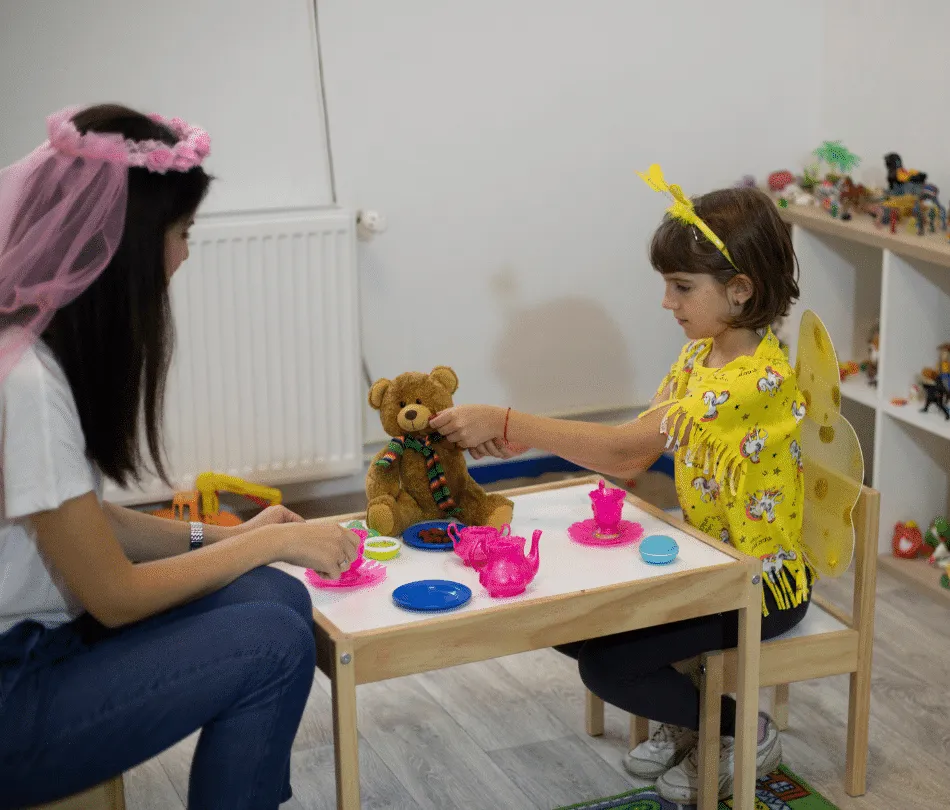
Using Theraplay® and Play-Based Interventions to Build Connection
Strengthening attachment and a sense of belonging is also essential to address abandonment fears. This can include spending regular one-on-one time together and engaging in playful, nurturing interactions such as Theraplay® or other attachment-based play activities. Creating rituals that reinforce connection and belonging such as special bedtime routines, or starting traditions that celebrate your family’s unique story, can also be helpful. Predictable, positive experiences with the parent continue to build a sense of safety and permanence that your child needs.
Creating a Belonging and Support Network for Your Family
Provide opportunities for kids to join clubs, sports teams, participate in faith-based community activities, or other groups to foster a sense of belonging beyond the family. Belonging to larger communities can help kids develop a stronger sense of identity and connection.
Finally, we need to remember self-care. Parenting children with abandonment issues is emotionally challenging work. The behaviors that result from these deep, early wounds can feel very personal and rejecting, even when you intellectually understand that the wounds are not about you or your parenting abilities. It is crucial to work toward building a support network for yourself as well, through foster/adoptive parent support groups, individual and couples therapy, healthy self-care rituals, and friends and family. Taking time to care for yourself is necessary to sustain the empathy and presence your child needs from you to help them heal and grow.