Healing Trauma: How Schools Become Advocates for Students with Experienced Loss
Healing Trauma: How Schools Become Advocates for Students with Experienced Loss
Published on:
Jan 05, 2026
Category
Trauma
Students who are adopted or living in kinship or foster care often bring incredible strengths to school. Many are resourceful, observant, and resilient because they have learned how to adapt to change. They may be especially aware of their surroundings and sensitive to the emotions of others.
Some of these students have experienced early loss, instability, or ongoing stress. They may have lived through separation from caregivers, changes in homes, or situations where their needs were not always met. These experiences can affect how safe they feel, how they manage emotions, and how they respond to challenges at school. This blog explores how trauma and early loss can shape a child’s experience in school and how educators can respond with understanding, empathy, and adoption-competent practices to promote healing and learning.
Trauma: How the Body Learns to Survive
Trauma has a lot to do with adaptation. It is about how a child learns to adjust to keep themselves safe. Many children in adoptive, foster, and kinship care have lived through separation from caregivers, frequent changes, unmet needs, or environments that felt unpredictable or unsafe. These experiences teach the brain and body to stay on alert, always watching for what might happen next.
Even when children are in stable and loving homes, their bodies may still react as if danger could return. A raised voice, a sudden change in plans, a new teacher, or a busy classroom can trigger stress without the child fully understanding why. This is why trauma can show up long after circumstances have improved and why patience and understanding are so important.
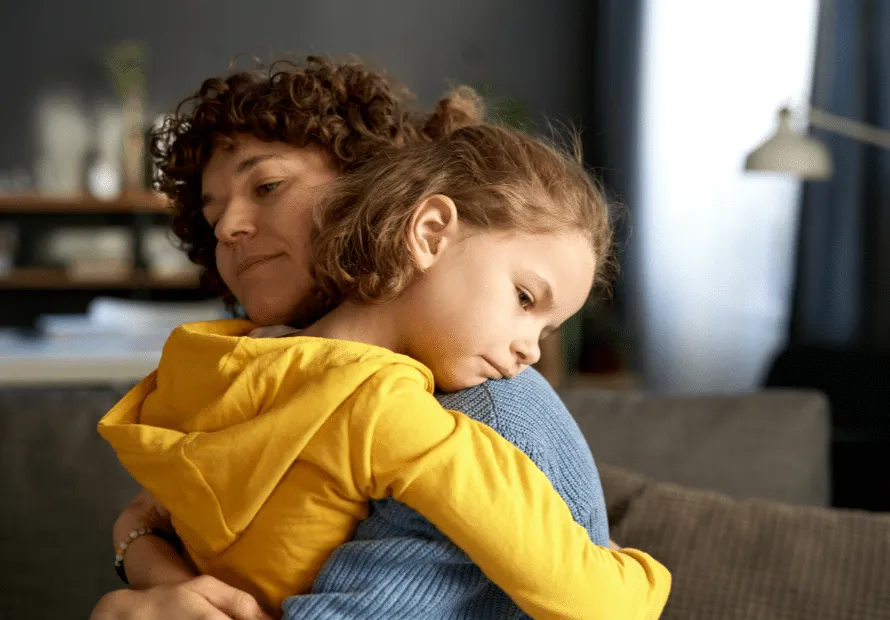
Creating a sense of safety and predictability is key. Simple things such as clear routines, giving warnings before transitions, and explaining changes ahead of time can help children feel more at ease. Staying calm during emotional moments, using a steady and reassuring voice, and offering comfort rather than consequences when a child is overwhelmed can make a big difference.
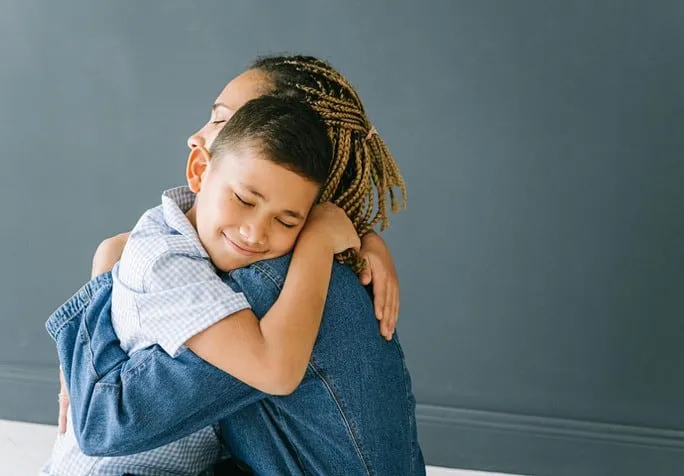
It also helps to focus on connections. Checking in with a child, assisting with naming the emotion they are feeling, and reminding them that they are safe and supported helps their body learn that the present moment is different from the past. Over time, these consistent responses help children trust, engage, and build stronger relationships.
The Sensory Overload: Trauma and the School Environment
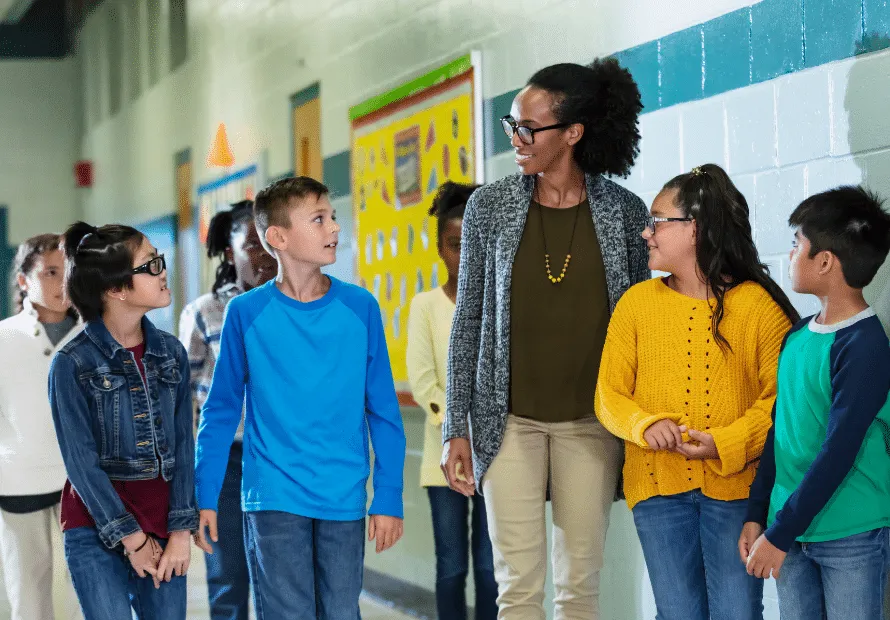
Schools expect a lot of children each day. They are asked to sit, listen, follow routines, manage feelings, and build relationships with others that they may not know well. For children who have experienced trauma, these expectations can sometimes feel overwhelming rather than safe.
When a child feels stressed, their body may move into a state where they feel they need to protect themselves. In these moments, learning and self-control techniques can feel harder. Educators may witness behavior challenges which are often signs that a child is feeling overwhelmed and trying to cope with the best way they know how.
Educators can support by assisting the student in feeling understood and supported. Calm voices, gentle reminders, and reassurance that they are safe can help their bodies settle. When adults respond with patience and empathy, children begin to learn that school can be a place of safety and care. Over time, this sense of safety makes it easier for children to focus, learn, and build trusting relationships.
Recognizing Trauma Responses in the Classroom
Students who experience adoption, foster care, and kinship care often report challenges with their attention span. Children who are impacted by trauma may seem distracted, unmotivated, or forgetful. The reasoning behind this is that they may be busy surveying the environment for safety, leaving less capacity for academics. This can result in unfinished work, missed instructions, or daydreaming.
Big emotional reactions are also common. Some children experience feelings that are intense and act on these feelings without processing possible consequences. At times, a small disappointment can lead to tears, anger, or the student becoming isolated. These reactions reflect a body that learned to expect stress or sudden loss.
Transitions can be especially difficult. Changes in routine, substitute teachers, moving between classrooms, or unexpected events that are out of the norm, such as assemblies or drills, may trigger anxiety. For children who have experienced abrupt changes in caregivers or homes, even small transitions can feel unsafe.
Many children also struggle with control. Children who have experiences having little power over their lives may try to regain a sense of control in the classroom. This can look like refusing directions, arguing, or reacting strongly to being denied the ability to do tasks that are important to them at the moment. At the root of these behaviors it is often fear, not defiance which is often what is assumed.
Relationships with adults may be complicated. Some children may test boundaries or push adults away, while others become overly attached in a short period of time. Trust can feel difficult after experiencing broken relationships. Often, children are questioning in their minds whether adults will stay or eventually leave because this has been a pattern.
Peer relationships can be hard for children who have experienced trauma. Trauma can make it difficult to understand social cues, handle disagreements, or know how to act around others. Many children really want friends but may not have learned the skills to keep them. They might worry a lot about making mistakes or being judged, which can make them hold back and miss out on connections. Over time, this can make them feel lonely and unsure of themselves, even when they have the desire for friends.
Many trauma-affected children live in a state of high alert. Loud noises, crowded spaces, or unexpected touch can feel overwhelming. Physical complaints such as headaches or stomachaches are often signs of stress rather than an illness. When this happens, children may not have the words to explain what they are feeling. Their bodies react before their thoughts can catch up. Soft reassurances, quiet spaces, and understanding responses can help their bodies calm and feel safe again.
Understanding Learning Through a Trauma-Informed Lens
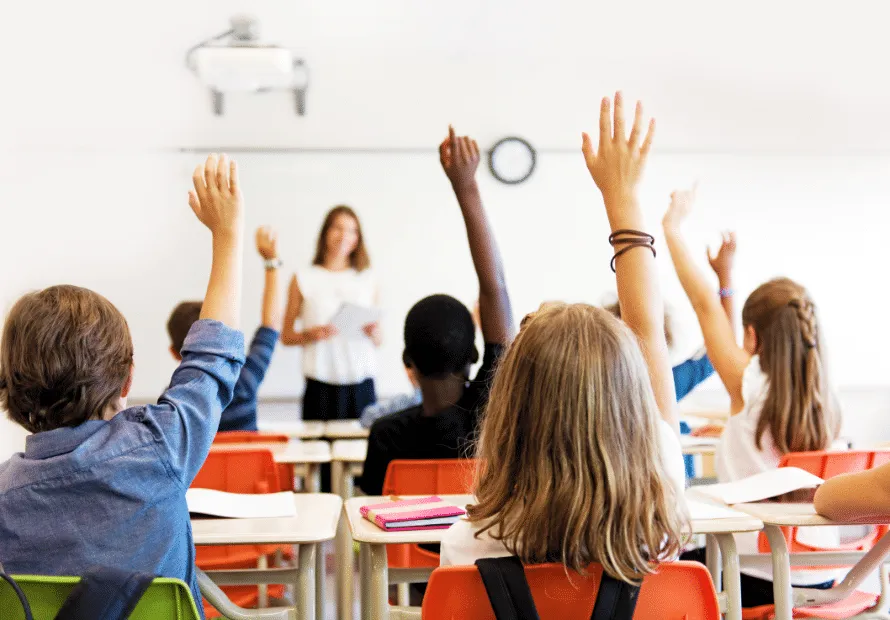
Trauma can affect how children process, understand, and utilize information. The impact of trauma may make it harder for them to remember instructions, organize their work, find the right words, or solve problems, especially during stressful moments. This does not indicate a lack of ability, rather it reflects the presence of factors that should be considered to support the child in performing at their full potential. Many children with trauma histories demonstrate intentionality, creativity, and insight, even when academic tasks feel difficult. Challenges with schoolwork often reflect the impact of stress or unmet needs rather than a lack of intelligence or motivation. Once appropriate supports are in place, these strengths can emerge more clearly and consistently in the classroom.
Learning often becomes easier when a child feels calm, supported, and emotionally safe. When children feel safe, they have more room to focus, remember, and think clearly. Supportive adults, consistent routines, and clear expectations help build this sense of safety over time. Intentional support can also make a meaningful difference. Extra time for processing, gentle reminders, movement breaks, or reassurance from a trusted educator can help children stay engaged and confident. With patience and understanding, many children begin to show their strengths more often and experience greater success at school. Over time, this consistent support helps children develop trust in themselves and in the learning environment. As confidence grows, they are more willing to take risks, accept challenges, and learn to embrace their educational journey.
Key Factors That Promote Healing and Growth in Children
Children heal through relationships. Supportive educators help children’s bodies relax and create a strong foundation for learning and growth. When adults are steady, patient, and reliable, children begin to feel safe enough to trust, explore, and take healthy risks. Clear routines, consistent expectations, and adults who follow through on promises all help children trust that their environment is stable and caring.
Many children also need direct support in learning emotional skills. Naming feelings, calming the body, and asking for help are skills that develop over time and often need to be taught and practiced. Children may not know how to do these things on their own, especially if they did not have safe models early in life.
This journey is not always easy. There may be good days and hard days, and both are part of healing. Each calm response, kind word, and moment of understanding teaches the child that the world can be safe, relationships can be trusted, and effective learning can happen.
Helping Children Move from Surviving to Thriving
Behavior is a form of communication. When children struggle, they often share something about how they feel on the inside, even if they do not have the words to explain it. When adults view behavior through this lens, it becomes easier to respond with empathy, patience, and care. This is a way to help children feel understood without judgment. Safety and connection are two ways to foster this.
Safety should always take priority over learning. When children feel safe in their bodies and in their relationships, their minds have the capacity to be able to focus, remember, and grow. Emotional safety creates the foundation for academic success and healthy development. When children feel calm and supported, they are more willing to take risks, ask questions, and try again after making mistakes. Over time, this sense of safety helps learning feel possible instead of overwhelming.
Connections are powerful and necessary. Caring relationships with trusted adults helps children heal, build confidence, and learn to trust the world around them. Even those small moments of connection show they are being noticed, listened to, or comforted can have a lasting impact. These moments send the message that a child matters and is not alone. Consistent, caring relationships help children feel grounded and supported as they grow and learn.
Support for children impacted by trauma is strongest when families, schools, and communities act together with care and awareness. With patience, consistency, and care, children are given the opportunity not just to survive their early experiences, but to grow, thrive, and flourish. Each supportive interaction helps rewrite a child’s story and strengthens their belief in themselves and others. Together, we can create environments where every child feels safe, valued, and understand that their journeys are full of possibilities.