Benefits of Incorporating Creative Therapies and Techniques in the Treatment of Children and Adolescents

Benefits of Incorporating Creative Therapies and Techniques in the Treatment of Children and Adolescents

Written by Brooke Petersen, LCSW-C, C.A.S.E. Adoption Competent Therapist, Board Certified Telehealth Professional Level I
Published on: Jan 06, 2022
Category Adoption Competent Therapy

Creating a Safe Therapeutic Space for Trauma, Loss, and Attachment Healing

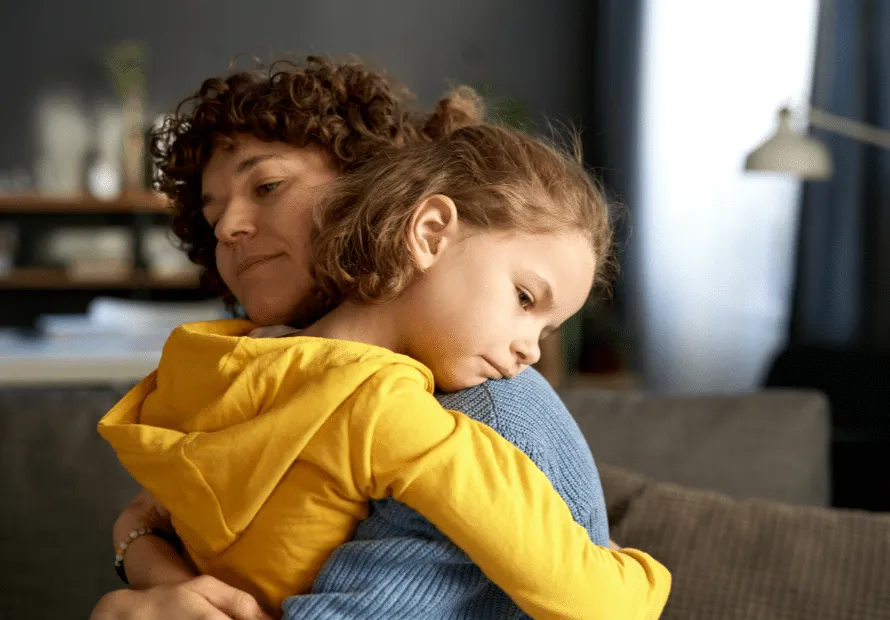
When children and adolescents don’t have the words or language to express their emotional experiences, their expression often manifests through behavioral, emotional, and somatic responses.

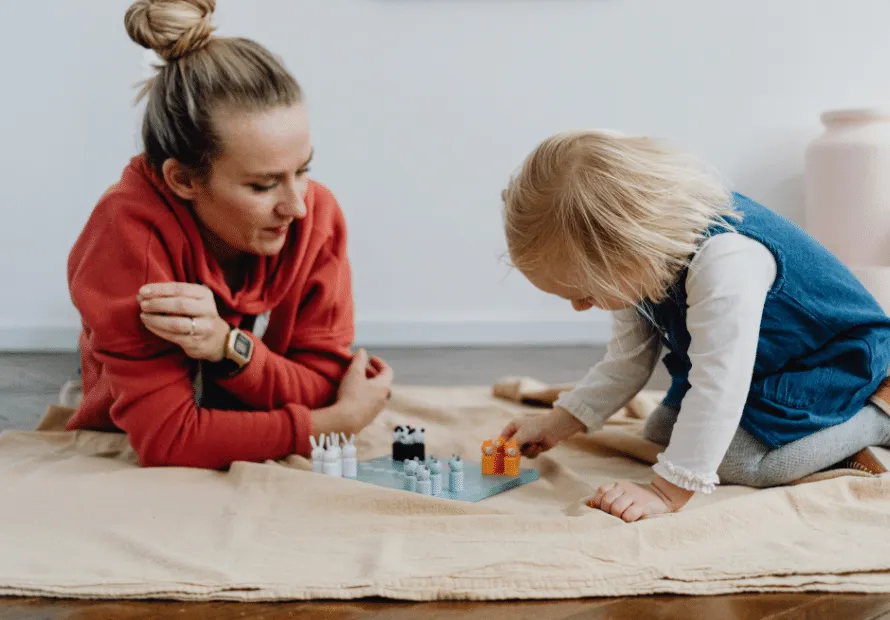
Integrating expressive therapies such as art, play, movement, sand, music, and writing is a great way to engage children and teens and provides an outlet for healthy self-expression.

By creating a safe space, individuals can explore and express complex emotions surrounding loss, trauma, and attachment to promote healing and growth.

Play therapy provides insight into a child’s innermost thoughts, feelings, beliefs, and perceptions of how they view themselves, others, and the world around them.

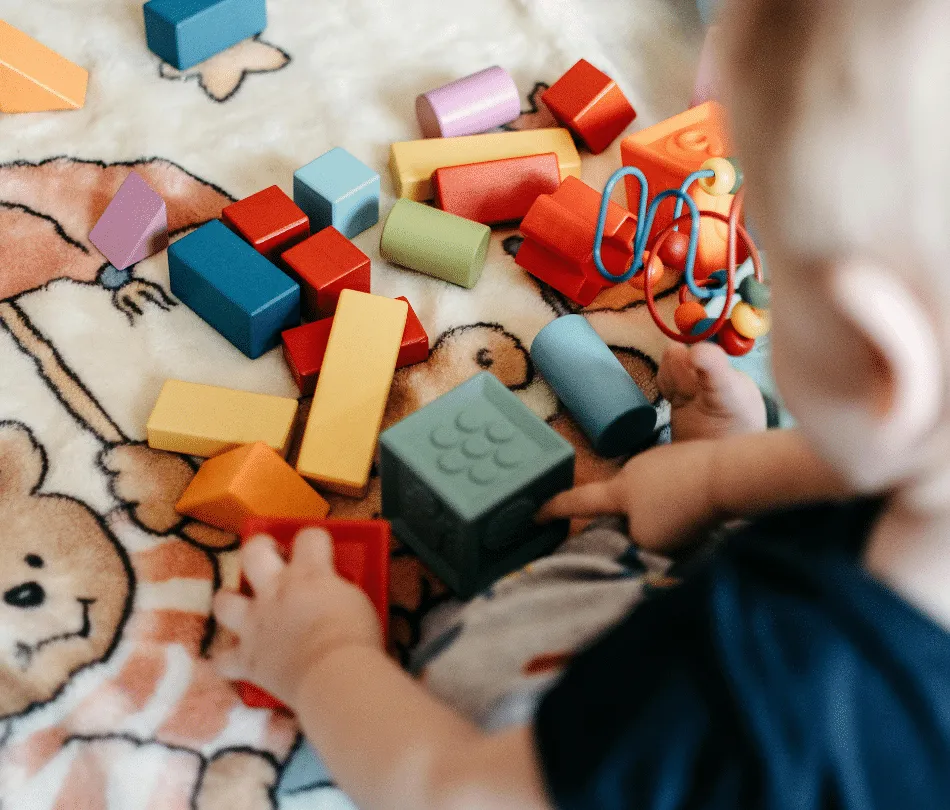
Theraplay Session Boy Playing with Blocks

How Play Therapy Reveals a Child’s Inner World

For example, I worked with a four-year-old child who was separated from his birth parents when he was two years old. He presented with anger, defiance, tantrums, and aggression (often towards mom). He complained of stomach aches with no medical explanation. In his play, he threw the baby dolls in the trash, stating ‘the babies were bad.’ Ongoing themes suggested this was a literal representation of how he felt about himself…disposable, unwanted, or worthless.

Through play therapy, he was able to express and make sense of his story. Over time he was able to provide consistent nurturance to the baby dolls and had them adopted into loving families. He began to accept nurturance from his mother and his behaviors and somatic complaints subsided.

Rhythmic Movement and Nervous System Regulation in Trauma Therapy

When meeting with children and teens who have experienced developmental trauma, I have found integrating expressive therapies and attachment-focused family therapy to be successful in building attachment and self-esteem.

Developmental trauma is the result of abandonment, abuse, or neglect that occurs within the first three years of life. This can have a profound effect on different areas of the brain that impacts cognitive, neurological, psychosocial, and attachment development.

Early or implicit memories are stored in the limbic system, often referred to as body memories. Even when there isn’t a clear memory attached to an experience, the body remembers. Because this type of trauma occurred in the pre-verbal stage of development, expressive therapies in conjunction with talk therapy help bridge body memories and narrative.

From a neurobiological perspective, creative expression and positive interactions increase levels of dopamine, a feel-good chemical that helps reduce stress, alleviate symptoms of anxiety and depression, and increase motivation and attention. It also increases Oxytocin, a feel-good chemical that plays an important role in social bonding, attachment, and generating trust.

Activities that incorporate rhythmic synchronized movement such as dancing help calm the central nervous system and stimulate neuropathways in the brain that’s related to the development of learning, social behavior, attachment, and emotional regulation. Each creative approach serves its own unique purpose.

How Expressive Therapy Promotes Attachment, Self-Esteem, and Healing

Expressive therapy offers children and adolescents a developmentally appropriate pathway to heal from trauma, loss, and early relational disruptions by honoring how their brains and bodies process experience. Through play, art, movement, and other creative modalities, individuals are able to safely express emotions that may feel overwhelming or impossible to put into words.

When guided by an adoption-competent therapist, expressive therapy strengthens secure attachment, fosters self-worth, and helps children rewrite internal narratives shaped by early loss or trauma. Over time, these experiences promote emotional regulation, resilience, and a deeper sense of safety laying the foundation for healthy relationships, confidence, and lifelong healing.
Need professional support for your family? Connect with a C.A.S.E. therapist today.

At C.A.S.E., we provide specialized adoption competent mental health services and ongoing post-adoption support in Maryland, Virginia and the District of Columbia to adoptive, foster & kinship families. If you are looking for counseling services or post-adoption or kinship support, we are here to help.

Tonyala Scott In-take Information and Referral Specialist
Schedule a Free Initial Consultation:
Contact Us

Share on Social