 Many of the evidence-based models designed to support work with children who have experienced trauma and attachment challenges are included in the NTI Training. However, none of these models focus on the mental health and developmental challenges of children, youth and young adults who have experienced foster care, kinship care, adoption and guardianship. NTI does! It is designed to provide you with the foundational understanding and the nuanced perspective you need to effectively support youth and families with these life experiences.
 Disenfranchised grief is grief that is not openly acknowledged, socially supported, or publicly mourned. A great example of this is how our society focuses on the gains of adoption, such as finding a family for a child, without acknowledging the significant losses to that child.
 You have questions?
We have answers.
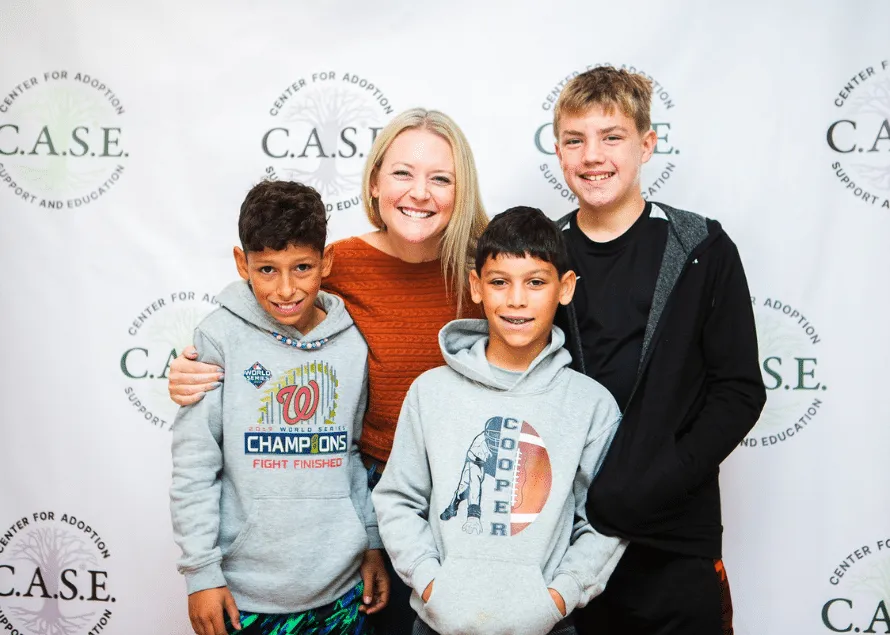
Due to traumatic life experiences and compromised beginnings, many children who are adopted, who are being raised by relatives (kinship care), or have experienced foster care have higher risks for developmental, health, emotional, behavioral, and academic challenges.
2712
Individuals and participating family members received Adoption Competent Therapy in 2024.
7158
Parents and professionals registered for the Strengthening Your Family (SYF) Webinar Series in 2024.
9000
Children and families have received adoption-competent mental health services since 1998.
What People Are Saying About Us

Adoptive Family
“The support C.A.S.E. has provided to me, my husband, and our two adopted children has been phenomenal. ”
Adoptive Family
“NPAC post-adoption support coaches helped me obtain specialized services that my child needed. ”
Adoptive Parent
C.A.S.E. Client
“Great knowledge of the specific relationships, emotions, and phases of adoption through foster care; all of the resources for adoptive paren”
Adoptive Family
NPAC Client
“NPAC post-adoption support coaches suggested that my child may have sensory needs. We then sought help from an occupational therapist that h”
Strengthening Your Family Webinar Participant
“This was one of the best webinars I have been in! So many practical applications… Being able to walk away, not just with knowledge, but with”
Adoptive Parent
C.A.S.E. Client
“My son really enjoys his sessions and likes to talk about what his thinking and feeling with his therapist. he likes when the issues he is d”
Adoptive Family
NPAC Client
“NPAC post-adoption support coaches helped connect me to resources for specific disabilities for my child.”
Strengthening Your Family Webinar Participant
“The presenter was fantastic. She was extremely knowledgeable and engaging. She clearly had a passion for working with adoptive families/ad”
Adoptive Family
NPAC Client
“NPAC post-adoption support coaches provided language I could use in a student study meeting to acquire a 504 for my child.”
Adoptive Parent
C.A.S.E. Client
“The expertise of the therapists, the non-judgmental approach to helping parents, the compassion and understanding they show towards our fami”
Carter
C.A.S.E. Client
“At C.A.S.E., [my therapist] helps me understand adoption. She also helps me deal with behavior problems. I’m learning to express my feelings”
Strengthening Your Family Webinar Participant
“The presenter was down to earth and talked in a way I could relate to and understand the topic.”
Unique Challenges of Adoption & Foster Care

Mental Health Services
C.A.S.E. offers specialized adoption-competent in-person and teletherapy, case management, parent and teen support groups, and educational resources, including parent and professional trainings.

Webinars
C.A.S.E. offers in-demand and live webinars focused on a variety of relevant topics for adoptive, foster and kinship parents as well as the professionals who serve them.

Support Groups
C.A.S.E. offers a variety of free virtual and in-person support groups throughout the year including teen identity, parent led and caregiver support groups.
SCROLL