Forced To Say Goodbye Twice: My Story of Secondary Rejection
Forced To Say Goodbye Twice: My Story of Secondary Rejection
Published on:
Mar 03, 2026
Category
Adult Adoptees
The Emerging Leaders Candid Corner
A place where adopted adults candidly share THEIR stories & answer YOUR questions
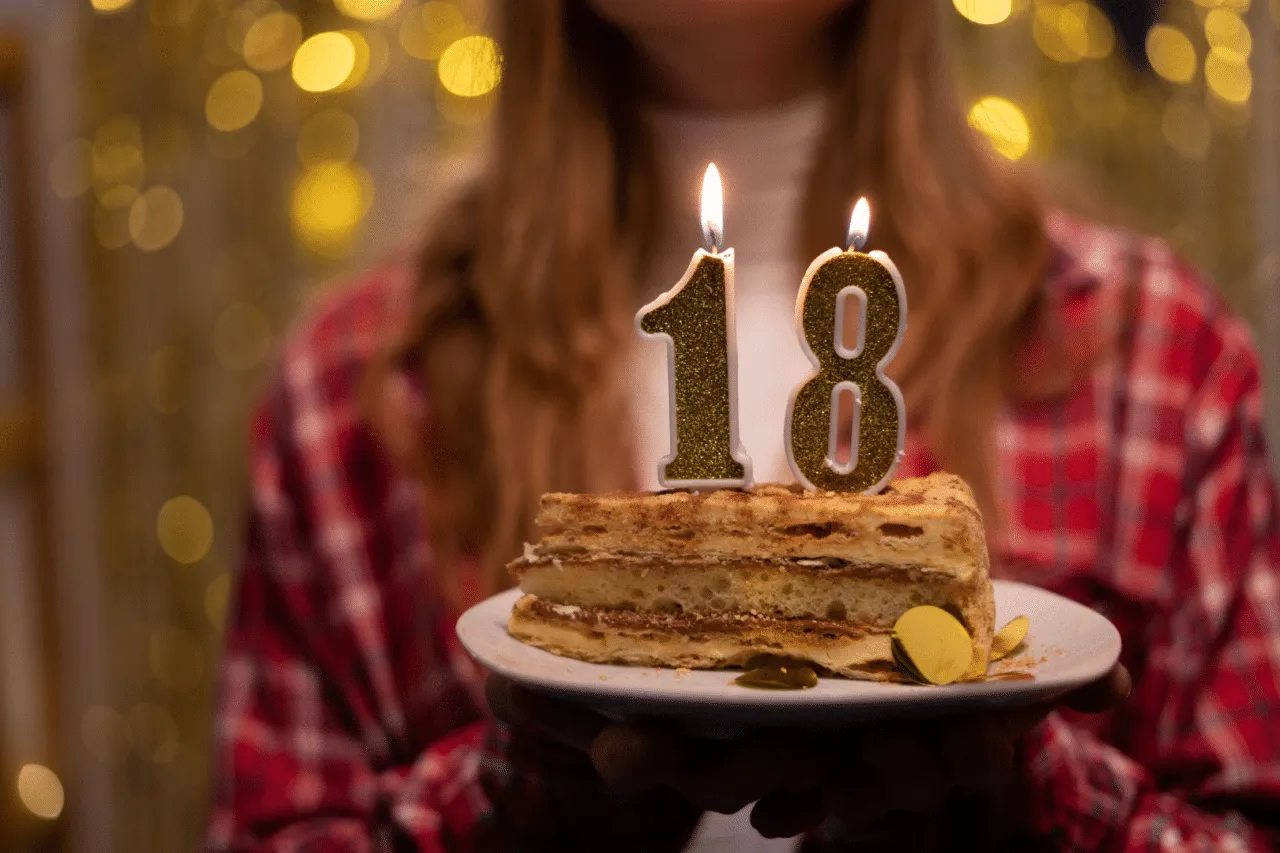
Not many adolescents can say they filled a vial with their own spit, placed it neatly in small cardboard box, and shipped it off on a school night (which was also their birthday), but I can.
For adoptees, this experience is likely not unique and for some, maybe even a rite of passage. In the eyes of the law, I was now a competent adult who could mail her own saliva off without the permission of an adult, and that was exactly what I wanted:
Independence to navigate this journey separately, getting to claim what was mine for the first time in my life.
Three weeks later, I received an email from AncestryDNA saying my results were now viewable in my account. I opened them immediately, unable to control the excitement of a potential match. Lucky for me, my top match was a close family member, my older sister who had been adopted too. I was, at first, in disbelief. Was this too good to be true? I scrambled down the stairs to tell my aunt and my dad, and I then messaged my sister through the platform. The anticipation built throughout the afternoon and evening, carrying into the following day when I decided an Instagram direct message was my next best chance at hearing from her. What was first thought to be a phishing attempt by my sister turned out to be legitimate, and we connected over FaceTime later that evening. Her knowledge of our birth family unlocked decades of secrecy, of identifying information I longed to know and again, claim as my own.
A month later, we met in person over shrimp tacos at a chain restaurant. I had never been so nervous in my life. I had never met anyone in my life who looked like me. My sister, coincidentally named Emily as well, was quickly thrown into this reunion without the months of preparation I had done with an adoption-competent C.A.S.E. therapist. Admittedly, it was difficult to balance her astonishment with my younger self’s hope of an instant relationship. Navigating this balance was a delicate game I mastered over time, as well as the addition of an older brother via 23andMe DNA testing a few months later.
Conversely, a reunion with and subsequent rejection by my birth parents was not the kind of dance I could gracefully perform. My birth mother met me once alone, and another time with the two older (also adopted) siblings I reunited with. She spoke tangentially, clearly nervous, and left me with maybe even more questions than I came with. My birth father was informed of these meetings and declined any contact. A year later, he was dead, and I never met him. The questions I had seven years ago still linger because the only people with answers are either no longer alive or completely aloof. Not the reunion I was anticipating, and not the reunion I suppose many adoptees envision when thinking about those happy people sobbing, sharing mementos and warm embraces in viral videos online. No one can exactly prepare you, a bright-eyed teen, for the gut-punch of indifference by the very people who brought you into this world. Time has distanced me from that initial shock, but the grief will never fully disappear.
When I was deeper in my grief, I came across a term—secondary rejection—that described my experience seeking reunion and relationship with my birth parents. Secondary rejection occurs when an adoptee initiates contact with a birth parent and is then turned away at any time in their life. I found solace in not being alone in this outcome, although not the norm. Naming my pain helped me recognize that rejection was not the result of some moral flaw or action of mine; this pain was an effect of years of trauma, conflict, and secrecy, none of which were my fault.
I continue navigating reunions with my two biological, and also adopted, siblings while nursing a gaping hole: that yearned-for relationship with my birth parents. Sending that vial of spit off on my birthday more than seven years ago was not the beginning of a fairy tale where all my questions have conclusive answers. In claiming the right to search for my birth family, I regained a sense of agency that adoption had long complicated.