Permanency, Mental Health, and the Power of Lived Expertise
Permanency, Mental Health, and the Power of Lived Expertise

Written by
Ashley Garcia Rivera, Policy Advisor
Published on:
Sep 01, 2026
Category
Policy & Advocacy
Lived Experience Belongs at the Policy Forefront
Since 2003, Congressional Coalition on Adoption Institute’s Foster Youth Internship (FYI) Program® has connected young leaders with lived experience to Capitol Hill, giving them the opportunity to learn about federal policy and develop recommendations for improving the child welfare system.
The 2026 FYI cohort’s report, Anchored in Permanency: Policies to Strengthen Belonging, Stability, and Family Connections, reflects the power of lived expertise in shaping policy conversations that directly impact children, youth, and families. The report also reinforced that policy conversations about permanency must also include mental health, healing, belonging, and support before, during, and after permanency is achieved.
Mental Health Is Woven Into Every Permanency Conversation
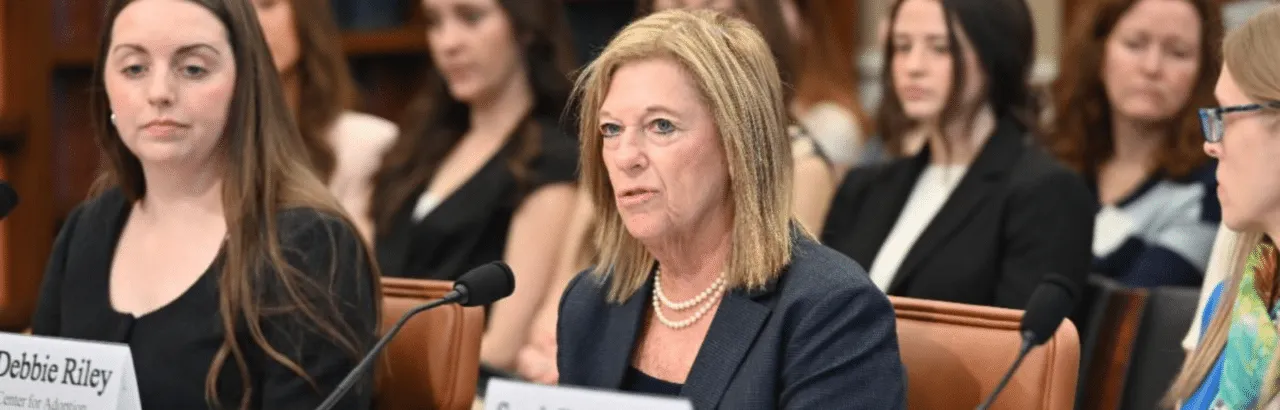
I recently had the opportunity to attend the congressional briefing where the 2026 Foster Youth Interns presented their policy proposals. As I listened to each intern share their recommendations, one theme stood out across every single presentation: the importance of mental health. Sometimes it was named directly through access to behavioral health care, psychotropic medication oversight, or trauma-informed services. Other times, it appeared through discussions of placement stability, sibling separation, kinship care, caregiver preparation, relational permanency, workforce shortages, and the long-term effects of instability.
Permanency Is More Than a Legal Outcome
At C.A.S.E., this connection is important as our workforce development and systems change efforts sit at the intersection of child welfare and mental health. We know that permanency is not simply a legal outcome — it is strengthened by relationships, caregiver readiness, adoption-competent and trauma-informed services, and systems that understand the experiences of children, youth, adoptees, birth families, adoptive families, foster families, and kinship caregivers.
Prepared Caregivers and Equitable Support Strengthens Permanency
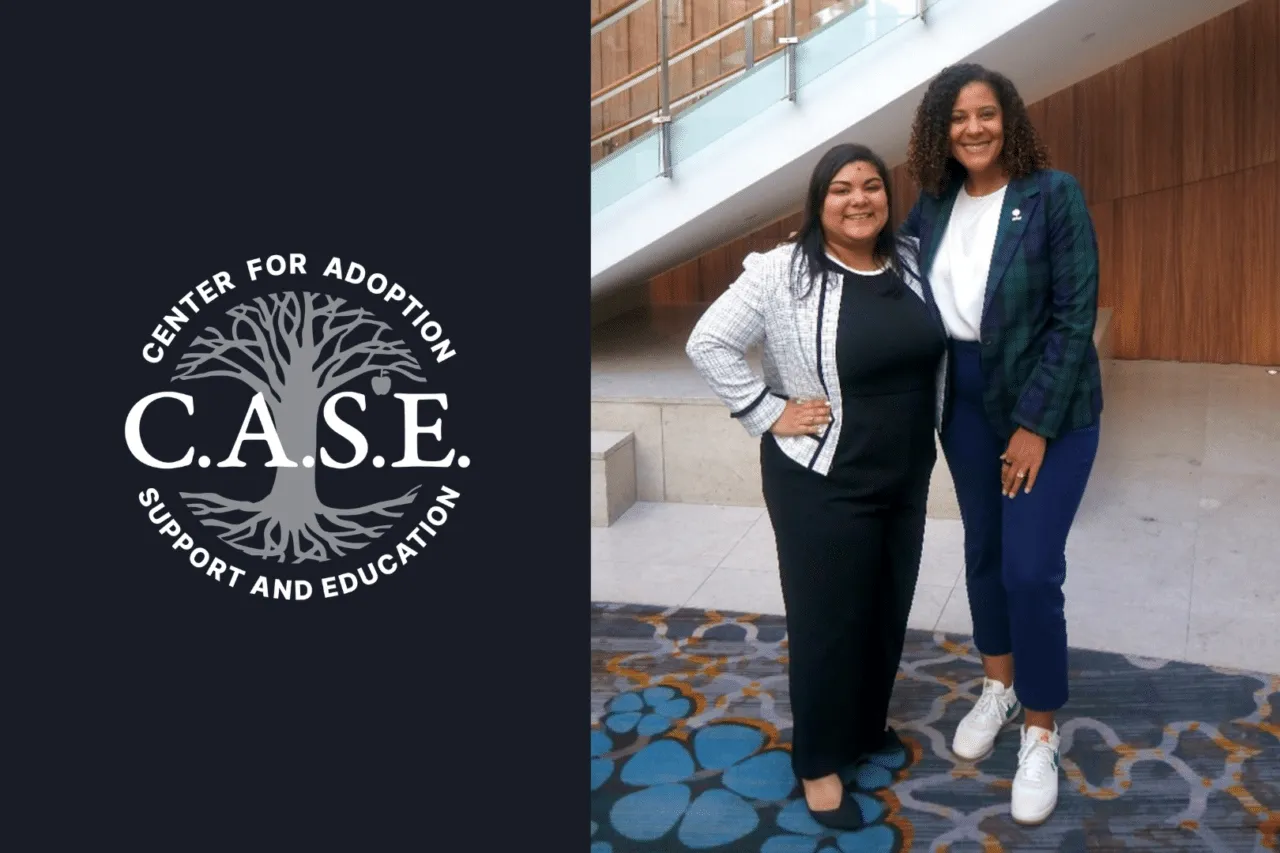
Two of this year’s interns, Aria Williams and Lily Ford, offered recommendations that closely connect to C.A.S.E.’s mission and advocacy priorities. Their reports approach permanency from different but deeply connected angles. Aria’s report focuses on the need for stronger, trauma-informed training standards for foster parents; Lily’s report focuses on equity in kinship and guardianship benefits. Together, their work reminds us that permanency requires both prepared caregivers and policies that do not force families to choose between stability and support.
The Need for National Standards in Foster Parent Training
Aria Williams’ report, Establishing a National Trauma-Informed Training Standard for Foster Parents Through Title IV-E, calls attention to a critical question in child welfare policy: how do we ensure that foster parents are not only recruited, but truly prepared?
For Aria, this issue is both personal and professional. Drawing from her own lived experience in foster care and her current work with young people, she shared that she kept returning to the issue of foster parent training because of the impact placement instability had on her and her siblings. She also sees young people today experiencing placement changes when caregivers do not have the tools, awareness, or support needed to respond to behaviors through a trauma-informed lens.
“I really kept coming back to the foster parent training side of things,” Aria shared. “I jumped around a lot in care, and I think that was really difficult for me and my siblings. It was hard to find families who would take all four of us and manage all four of us and have the supports they needed.”

Aria Williams
Every Youth in Foster Care Deserves a Consistent Foundation of Care
Her report recommends establishing a federal minimum training standard under Title IV-E, including at least 30 hours of pre-service training for foster parent licensure, trauma-informed care training, national core competencies, expanded federal funding for evidence-based training models, continuing education requirements, and improved federal oversight and data collection. Her report also identifies adoption competency as one of the core training competencies that should be included nationwide.
During our conversation, Aria explained why a national baseline matters. “Kids should not have to have a different foster care experience because they move state lines,” she said. “Every child in every corner of this country who is in care has experienced some level of trauma and grief and loss and separation. We should be focusing on healing them with some level of standard.”
This perspective strongly aligns with C.A.S.E.’s belief that children and families need professionals and caregivers who understand adoption, foster care, kinship care, trauma, loss, identity, and permanency. Trauma-informed care is foundational, but children and families often need support that goes deeper, including adoption-competent services that recognize the lifelong and relational impacts of foster care, kinship care, guardianship, and adoption.
Aria also challenged the idea that stronger training requirements would create unnecessary barriers for prospective foster parents. Instead, she emphasized that better training and community support can help caregivers enter the role with realistic expectations, practical tools, and a stronger sense of connection.
“A well-trained foster parent who is trauma-informed and has the skills, community, and resources to be that really stable parent for a child can really change a child’s life,” Aria shared. “It can make or break a kid’s experience in care.”
Foster Care Capacity Is About More Than the Number of Homes
That message is especially important at a time when many states and federal leaders are focused on foster home recruitment and placement capacity. Recruitment matters, but Aria’s recommendation reminds us that capacity cannot only be measured by the number of homes. It must also be measured by whether caregivers are prepared and supported to meet children’s emotional, behavioral, relational, and developmental needs.
When asked what permanency means to her beyond the legal definition, Aria described it as a feeling. “Permanency is a feeling of belonging and feeling like you can permanently call somewhere home,” she said. For children and youth who experience multiple moves, permanency must include the consistent people who remain connected through instability and beyond their time in care.

Lily Ford
Supporting Kinship Families without Penalizing Permanency
Lily Ford’s report, Improving Equity in Kinship Benefits Under P.L. 110-351 Fostering Connections to Success and Increasing Adoptions Act, focuses on the inequities that can arise when youth exit foster care to guardianship. Her recommendations call for expanding Chafee eligibility to youth who exit to guardianship, extending Guardianship Assistance Program payments until age 21 regardless of the age guardianship was established, supporting implementation of kin-specific licensing standards, and removing outdated barriers that limit access to guardianship support.
For Lily, this issue is deeply personal. She described seeing different outcomes within her own family, even though she and her brother were raised in the same household by their grandparents. That experience helped shape her understanding of how policy can create unequal access to services based not on a young person’s needs, but on timing and legal classification.
“I think that was the biggest turmoil in care, just seeing the different experiences between my brother and I,” Lily shared. “We were always really, really close, and the fact that we had two completely different experiences kind of blew my mind.”
Families Shouldn’t Have to Choose Between Permanency and Services
Lily’s report brings attention to a difficult reality for many kinship families: permanency does not always come with the support needed to sustain it. Youth who exit foster care to guardianship may lose access to critical services depending on their age when guardianship is established. As a result, families can be placed in the impossible position of choosing between legal permanency and continued support.
As Lily explained, “A lot of times, I feel like it is either you are choosing permanency or you are choosing services.” For young people transitioning into adulthood, those services can make a meaningful difference, including educational support, financial assistance, independent living services, and other resources that help youth remain stable and connected.
When asked what she wished members of Congress better understood about young people and families impacted by foster and kinship care, Lily said, “It’s a lot different living it than what it is on paper.” She noted that policies may be created with good intentions, but they do not always benefit families in the way lawmakers expect when life circumstances are not fully considered.
Supporting Kinship Caregivers Means Supporting the Whole Family
This is especially true for kinship caregivers. Relatives often step in quickly, sometimes unexpectedly, to keep children connected to family. Many are grandparents or older relatives who already have financial responsibilities, health needs, housing limitations, or other caregiving demands. Lily emphasized that while remaining with family is ideal, families need support to make that stability sustainable.
“There should be more support in place to make sure that kids are able to live a normal life and have the supports that they need,” Lily shared. She described normalcy as being able to participate in typical adolescent experiences such as going to prom, playing sports, or learning to drive. These experiences may seem small on paper, but they are part of how young people build belonging, confidence, and connection.
Lily also discussed kinship licensing barriers, including requirements that may not reflect how families live. She pointed to examples such as strict bedroom requirements, noting that sharing a room with siblings or relatives is common in many households. In her view, policies should better distinguish between safety concerns and poverty-related barriers that prevent children from remaining with family.
Extending guardianship assistance to age 21 would help address some of these challenges. Lily explained that this change “would make it easier for kids to remain in the household and alleviate some of that financial strain.”
Her message is clear: families should not have to choose between staying together and receiving support.
The Connection to C.A.S.E.’s Mission
Aria and Lily’s recommendations are different, but they point toward the same larger truth: permanency depends on both relationships and resources.
Aria’s work asks whether caregivers are prepared to support children who have experienced trauma, grief, loss, and instability. Lily’s work asks whether kinship and guardianship families have the support they need to remain stable after stepping in for children they love. Both remind us that permanency cannot be separated from mental health, caregiver support, family connection, and policy design.
For C.A.S.E., this is central to our mission of permanency and well-being for all those impacted by adoption, foster, and kinship care. Families need access to professionals who understand adoption, foster care, kinship, trauma, loss, identity, and permanency. Caregivers need training and ongoing support before placements reach crisis. Young people need relationships they can rely on. Kinship and guardianship families need policies that recognize their commitment and provide the resources necessary to sustain it.
The 2026 CCAI Foster Youth Internship Program report shows what happens when lived experience is treated as expertise. These young leaders are not only sharing their stories — they are analyzing federal law, identifying gaps, and offering solutions rooted in life experiences.
As C.A.S.E. continues to advocate for adoption-competent mental health services and stronger supports across the child welfare and mental health systems, the voices of leaders like Aria and Lily are essential. Their recommendations remind us that lasting change requires listening to those who have lived the impact of policy and are now helping shape what comes next.
Permanency is strongest when it is supported by prepared caregivers, equitable resources, and systems that understand the whole child and family. That is the work ahead, and it is work that must continue to be guided by lived expertise.