Behind Every Holiday Smile: Making Space for Every Child’s Story
Behind Every Holiday Smile: Making Space for Every Child’s Story

Published on:
Nov 01, 2026
Category
Adoption

When Celebrations Bring More Than Joy
For many students, the holiday season is a time of excitement, connection, and celebration. But for some, the same season can bring feelings of loss, uncertainty, and longing. A classroom filled with holiday music and family traditions may look joyful on the outside, while a student is internally wondering how the upcoming weeks will unfold. Students experiencing adoption, foster, and kinship care may hold many complex emotions at once during the holiday season.
The season can also bring memories to the surface that students may not be ready to share. They may think about people they miss, homes they have left, or traditions that no longer look the same. A conversation about family gatherings can remind a student of who is missing from their life, while an ordinary classroom activity may stir unexpected emotions for a child whose family story looks different from those of their peers.
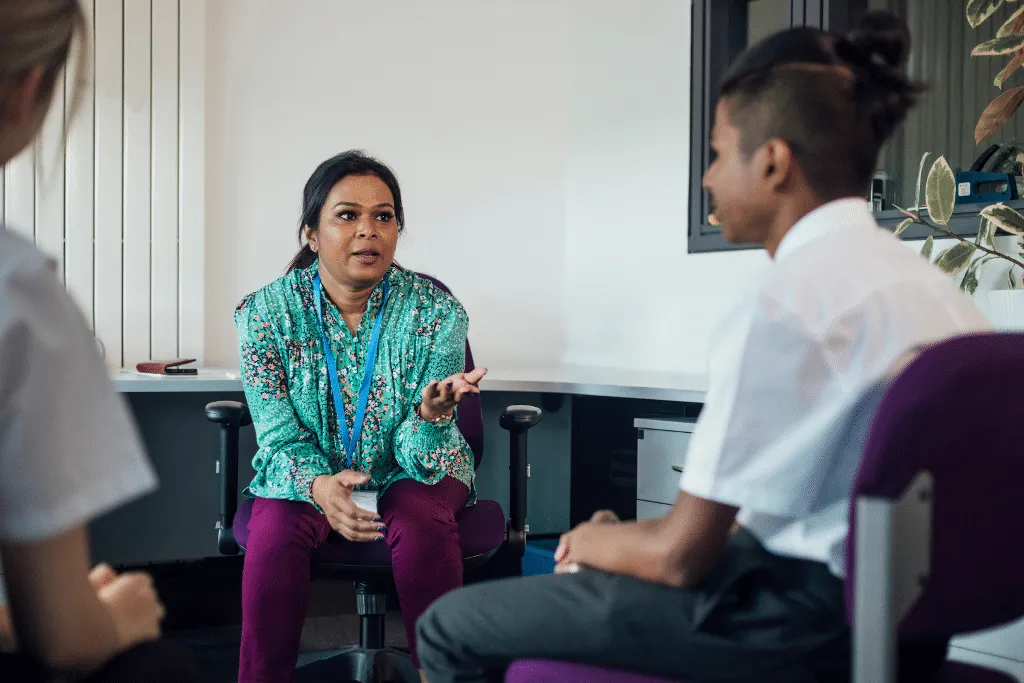
Well-intentioned activities can bring unexpected emotions to the surface. A student may feel excited about a celebration while simultaneously experiencing sadness, loss, or confusion, and students do not always have the words to explain what they are experiencing. Their internal struggle may show up through changes in behavior, such as becoming quiet, distracted, or withdrawn. During these moments, a caring educator can make a meaningful difference by giving the student space, offering an intentional check-in, or providing flexibility in how they participate in activities that may feel overwhelming. A simple conversation that acknowledges their feelings can help students feel supported without pressuring them to share personal details.
Understanding the Experiences Behind the Celebrations
The holiday season often carries layered meanings for students in foster care, kinship care, or adoptive families. Joyful moments frequently coexist with memories of people and places that are no longer part of their daily lives. A student may look forward to celebrating with current caregivers while deeply missing a biological parent, sibling, or grandparent. They can feel genuinely happy where they are today while still grieving what was lost or left behind.
Beyond complex feelings, the concept of family itself varies widely. Pictures in books and social media posts often portray a traditional idea of what a family looks like, which can unintentionally lead students to question their own family structure when it does not reflect those images. Students may wonder why their family looks different or feel that their family does not fit the mold they see represented around them.
In addition, classrooms reflect a wide spectrum of cultural and religious backgrounds, where traditions and celebrations can look different. Some students may celebrate Christmas, Hanukkah, or Kwanzaa, while others may not observe holidays at all. Recognizing and respecting these differences helps create a classroom where students do not feel pressured to explain, defend, or compare their family or traditions with those of their peers.
Layered onto these diverse dynamics, many families navigate financial stress, shifting circumstances, grief, or uncertainty. Educators cannot always see what a student carries beneath a smile, but they can build an environment where every child feels comfortable and respected. When schools intentionally welcome different family stories, traditions, and circumstances, they deliver the message that your story belongs here.

Simple Tools That Can Make a Difference
Creating a welcoming holiday season does not mean schools have to stop celebrating. It means thinking carefully about how celebrations are planned and ensuring students have different ways to participate. Activities can focus on broad themes everyone connects with, such as kindness, gratitude, generosity, and community. Instead of asking students to share specific holiday plans, teachers might invite them to write about something they are grateful for. Giving students’ choices allows them to participate without feeling pressured to disclose personal family experiences.
An important part of creating an inclusive environment is language. The words educators use can set the tone for classroom inclusivity. Using words such as caregivers, important people, family, and community creates space for different family structures and beliefs. Rather than asking with whom students will spend the their break, teachers can invite them to share something they are looking forward to. Schools can also prepare students for routine changes by providing advance notice about special activities and breaks.
Most importantly, educators should create opportunities for genuine connections. A trusted teacher or counselor can check in before or after a celebration without requiring students to explain their family situation. Support can look like offering an alternative way to participate, allowing a quiet moment away, or suggesting the student choose a reflection tool that may help with regulation.
Creating a Season of Belonging
Creating an inclusive environment extends far beyond individual celebrations. It means fostering a school culture where differences in family structure and experience are recognized as part of the community. When educators understand that students may have experienced foster care, kinship care, or adoption, they are better prepared to recognize that a student’s response to an activity may have deeper meaning beneath the surface.
They can feel grateful for their current family and still wonder about their past. We cannot know everything a child is carrying, but we can create spaces where they feel safe, respected, and welcomed. Belonging is essential, and students do not have to fit perfectly into a traditional perception of family to feel included.
When schools look beyond the celebration and consider the experiences students carry, seasonal traditions become opportunities to build connections and strengthen belonging. Creating inclusive celebrations does not mean taking away traditions; it means making room for everyone. Ultimately, the most meaningful celebration is one where every student feels seen, respected, supported, and confident that they truly belong.

Additional Resources



Written by: C.A.S.E.
Posted on Apr 27, 2026